We build the systemscompanies run on.
Dashboards, platforms, storefronts, and the automations behind them. Built in Durban, used across South Africa.
The studio, measured
Scope, not a count. Each line is on this site somewhere, with the limits beside it.
- Years building production software
- 10
- Kinds of system, from dashboards to WhatsApp
- 6
- Channels shipped: web, WhatsApp, SMS, email, point of sale, print
- 6
- People the largest system is built to serve
- Tens of thousands
- Payroll law encoded in one system
- SARS, UIF, BCEA
What we build
Six kinds of system. Every one below is shown from something we have shipped, not a diagram of it.
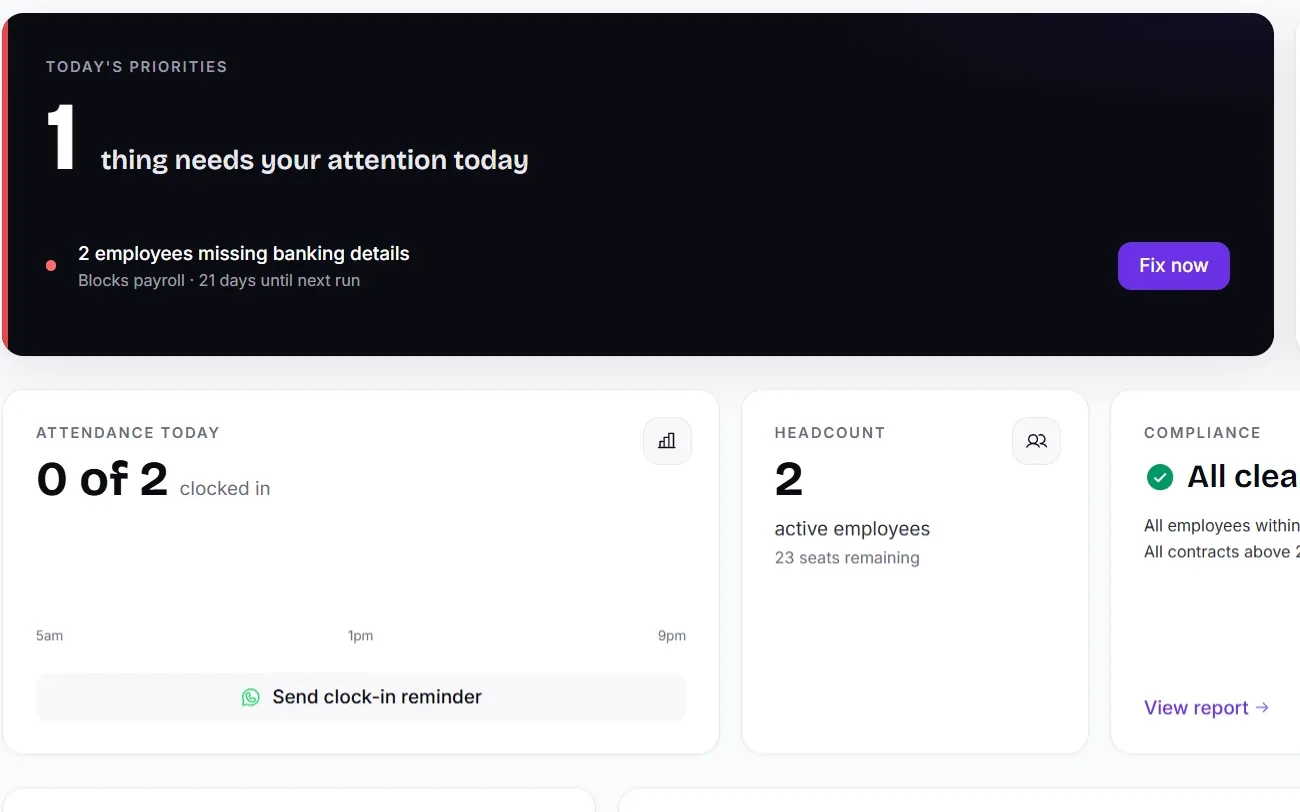
A dashboard earns its place when it answers a question faster than a phone call. We start from the questions, not the data, and the screen shows the three things that need attention today before it shows anything else.
Proof:EazyHRSmartQS Tender AlertsPayPulse ZA
See the work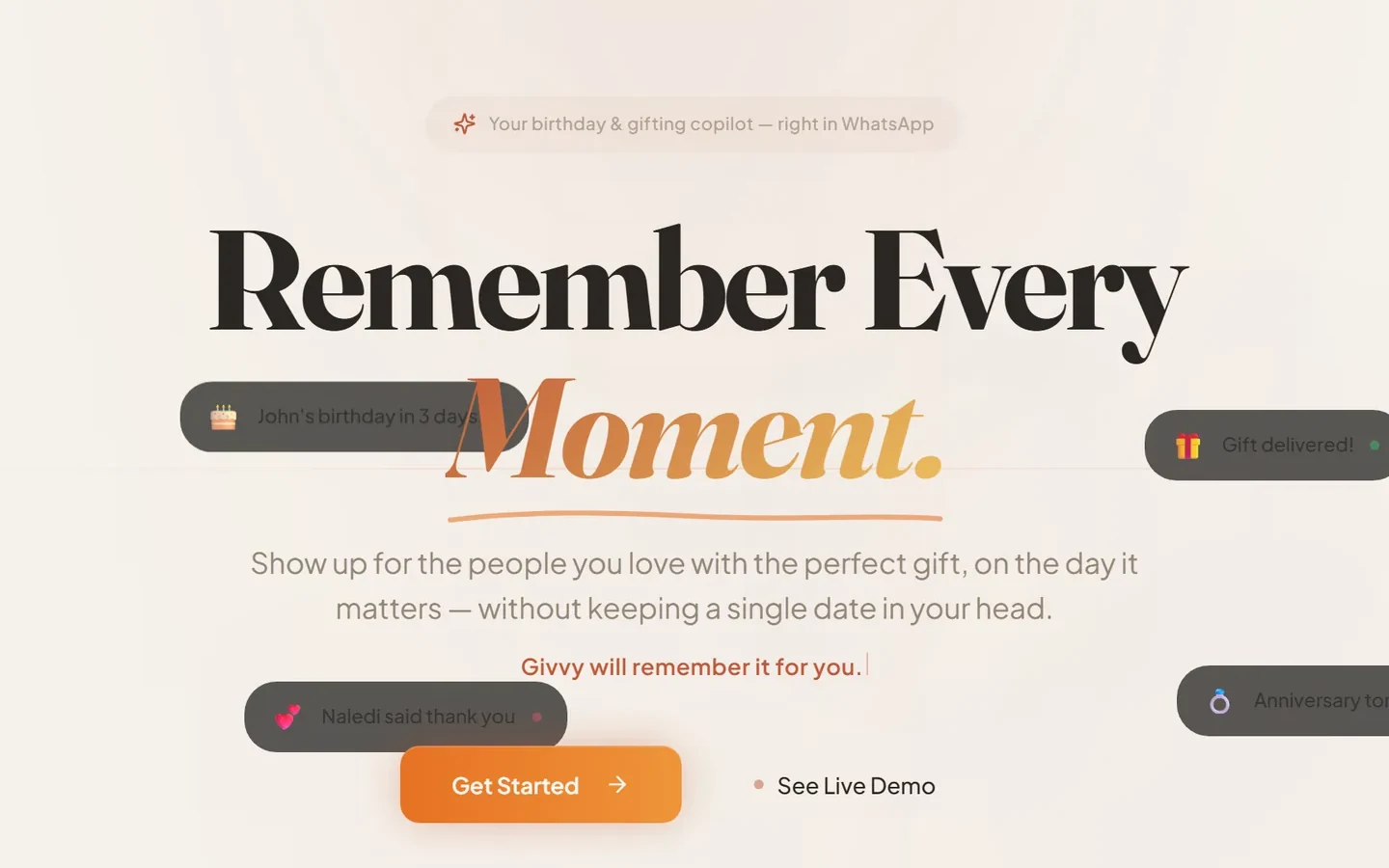
A platform is a product whose value comes from the people on it, so the hard part is never the feature list. It is consent, trust, the rules that protect the vulnerable user, and what happens at the edges. We design those rules first and the screens around them.
See the work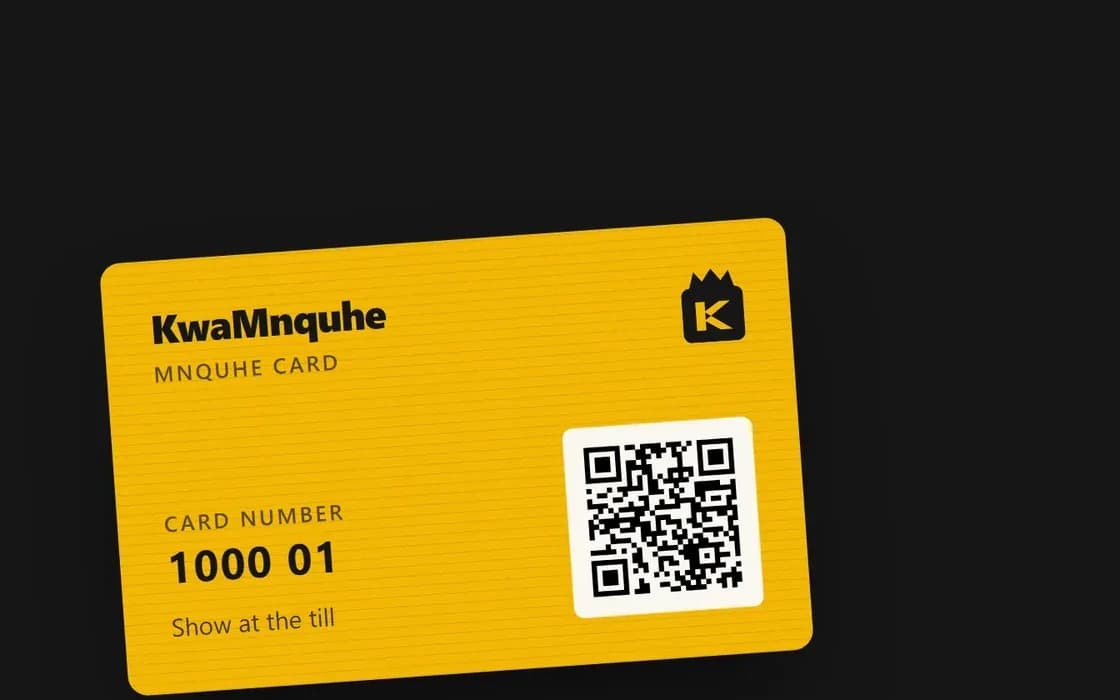
Selling online or across a counter is the same problem: the price has to be right, the stock has to be true, and the sale cannot fail because the LTE dropped. We build commerce that holds its own data on the device and settles when it can, and storefronts where the price list is the product.
Proof:KwaMnquheKept in PrintFamous Olwethu
See the work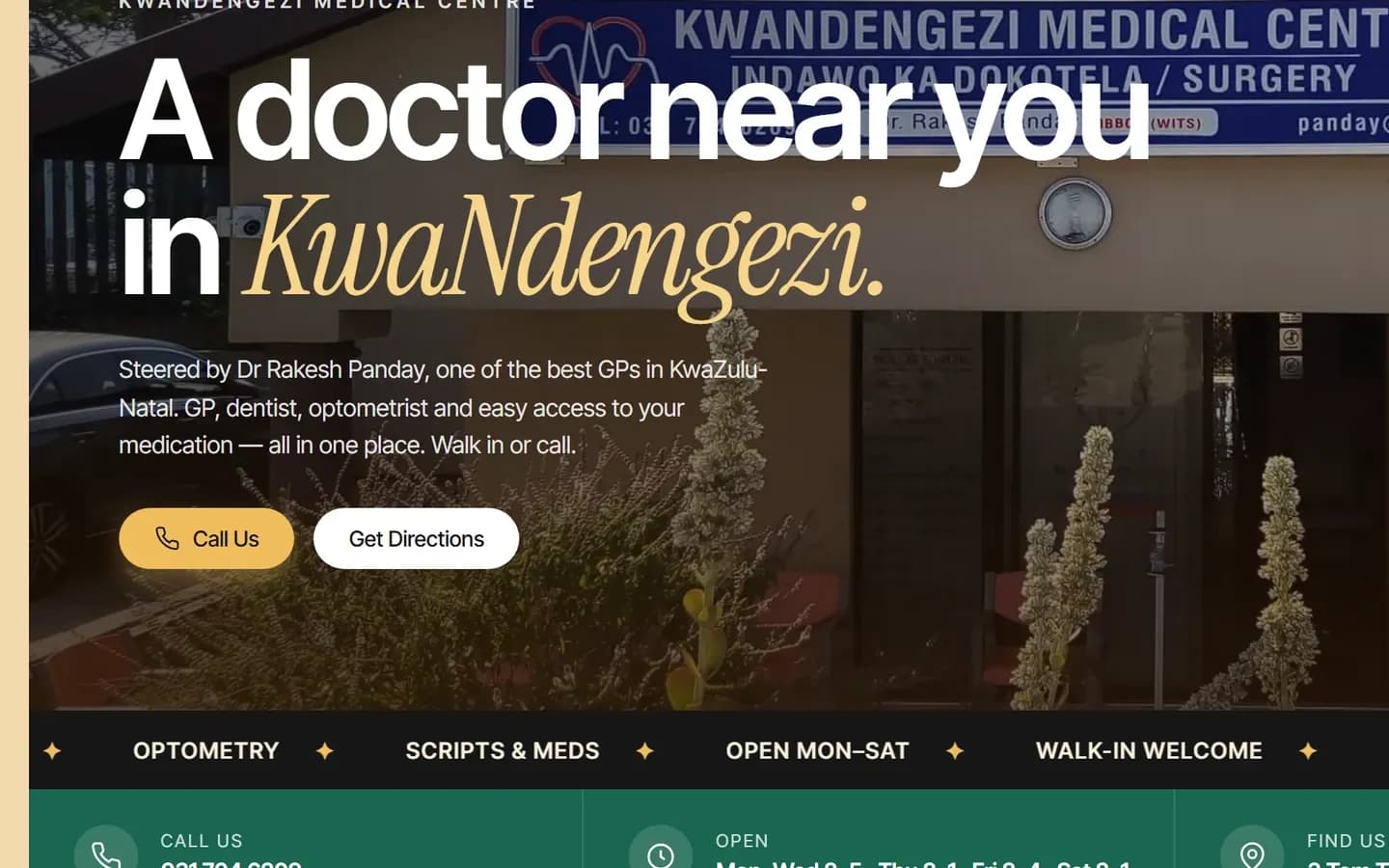
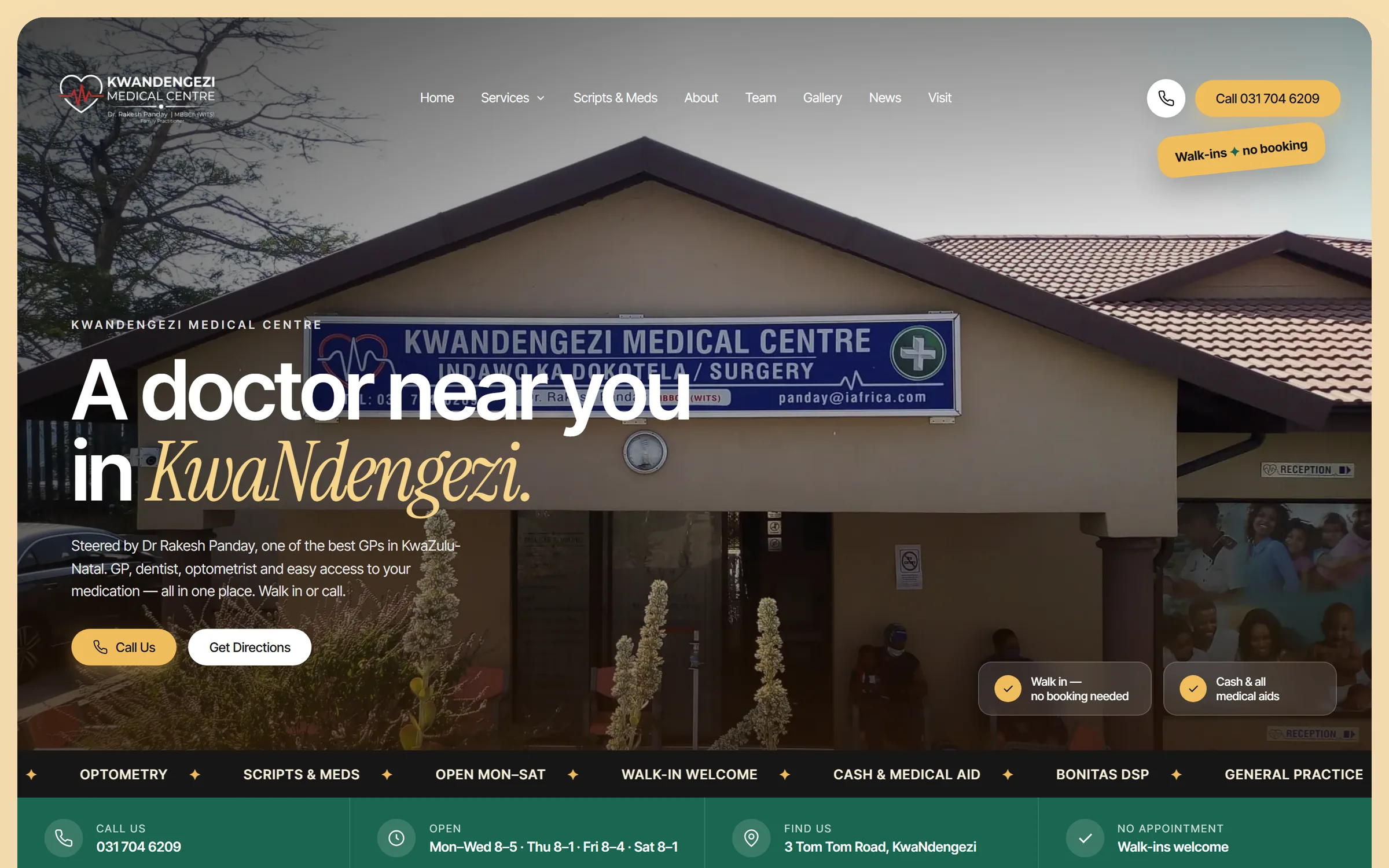
A practice site that collects the patient's details before they reach the desk. A shop site that is the price list. A performer's site that books. Every site we build has one call to action, local search built in from the first commit, and nothing on it that does not serve that call.
Proof:Kwandengezi Medical CentreFamous OlwethuKwaMnquhe
See the workAn app your staff must install is an app most of them never open. When the people doing the work are field staff, shop floor, drivers or members, the system meets them in WhatsApp: numbered menus that work without approvals, sessions that never trap someone, and a web dashboard for the one person who needs a dashboard.
See the work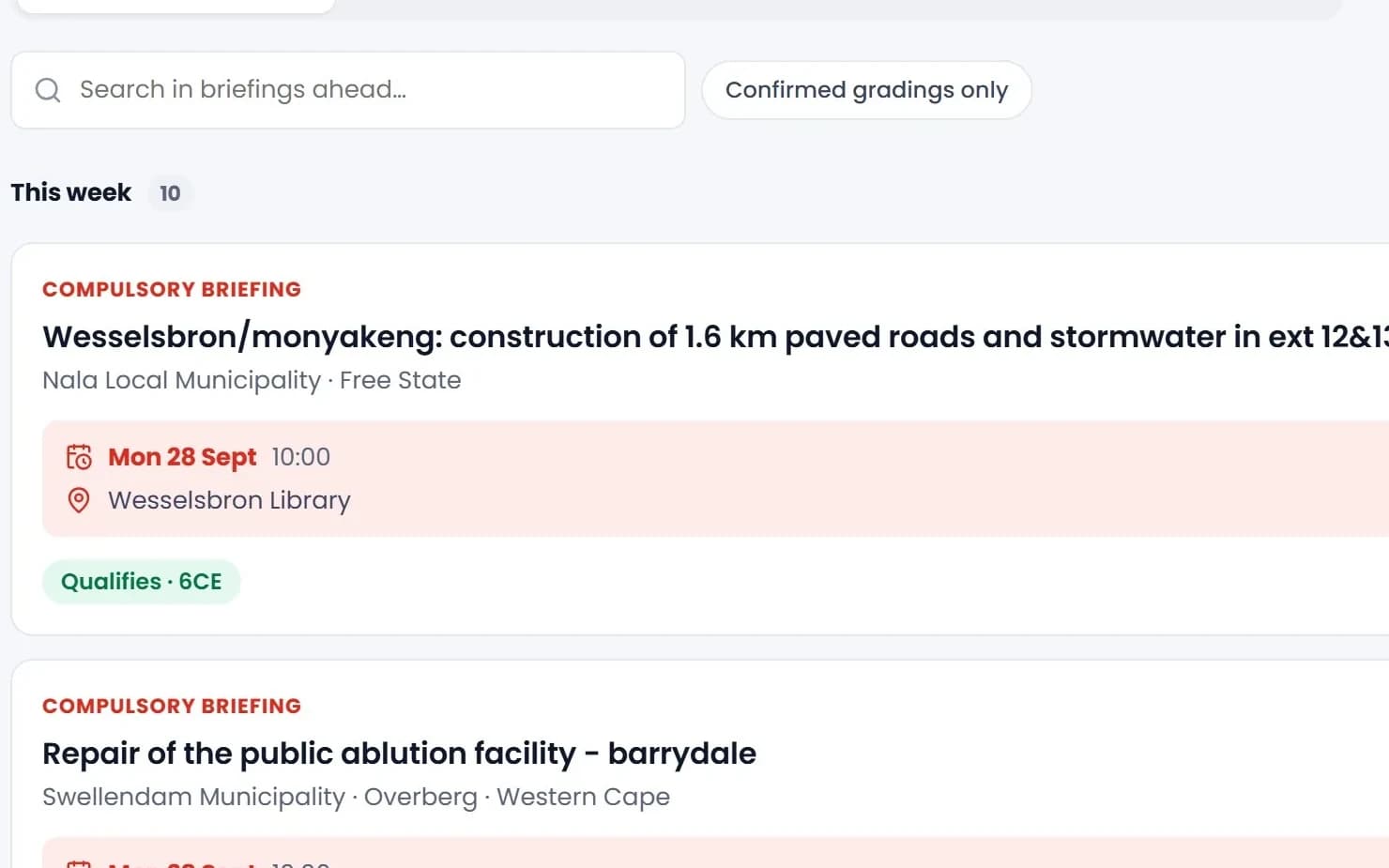
The email is the report; the SMS is the thing that cannot wait. We build the pipeline behind both: ingest, match against a profile, build the digest, send on a schedule, never send twice, and trim the SMS to the segments you are paying for.
Proof:SmartQS Tender AlertsBeGivvy
See the work
Shown from EazyHR
Featured work / Civic platform
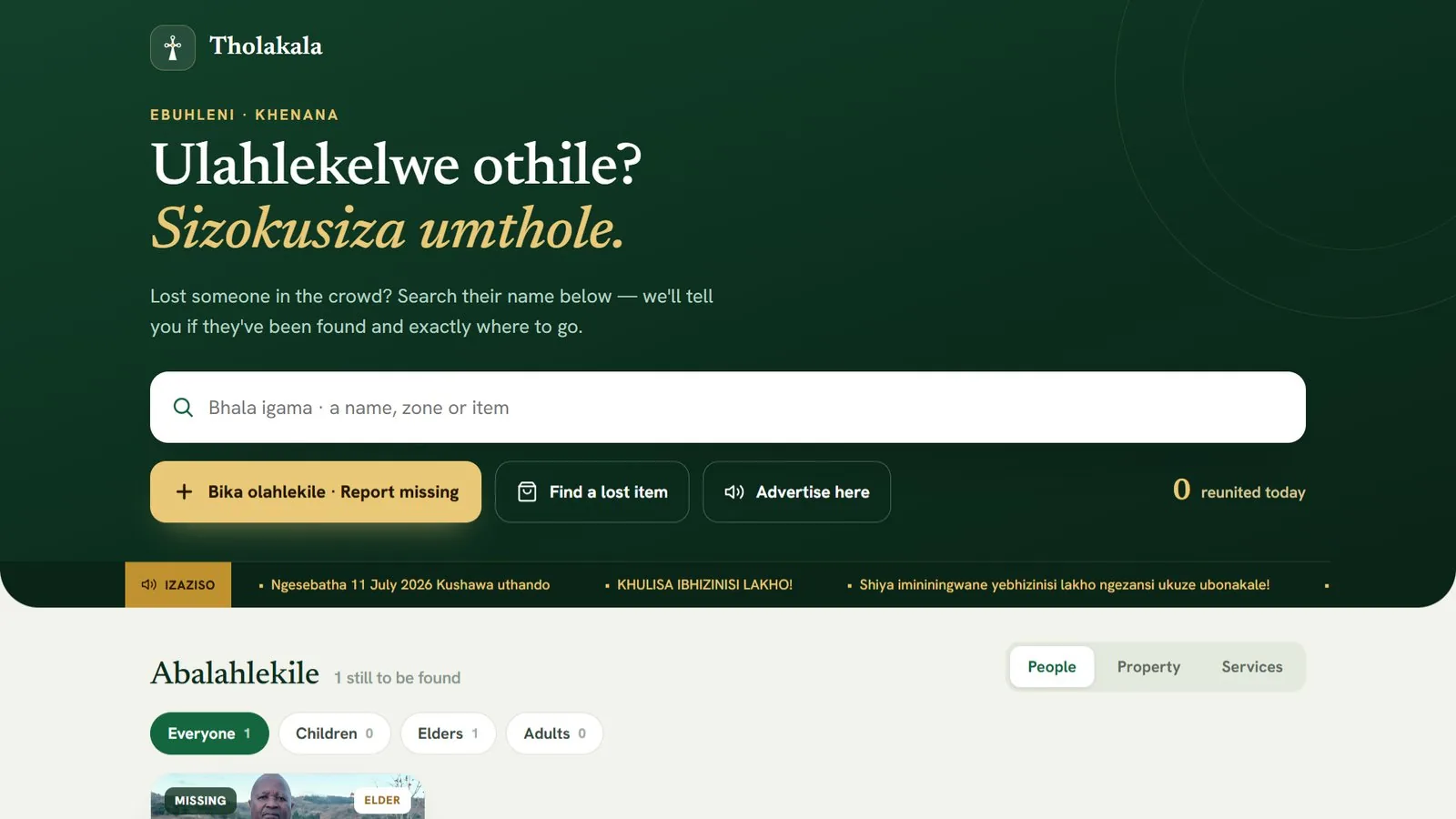
Tholakala
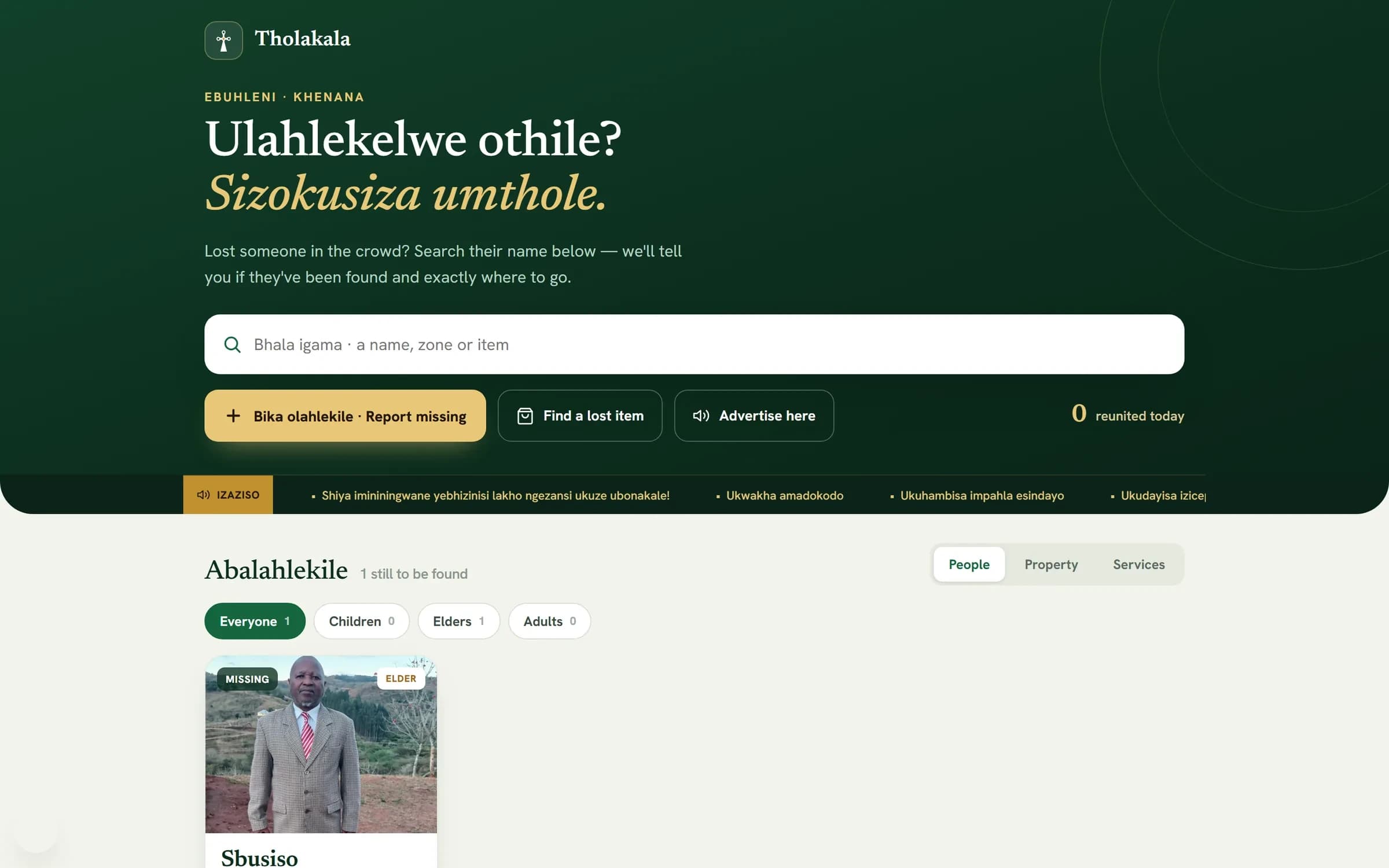
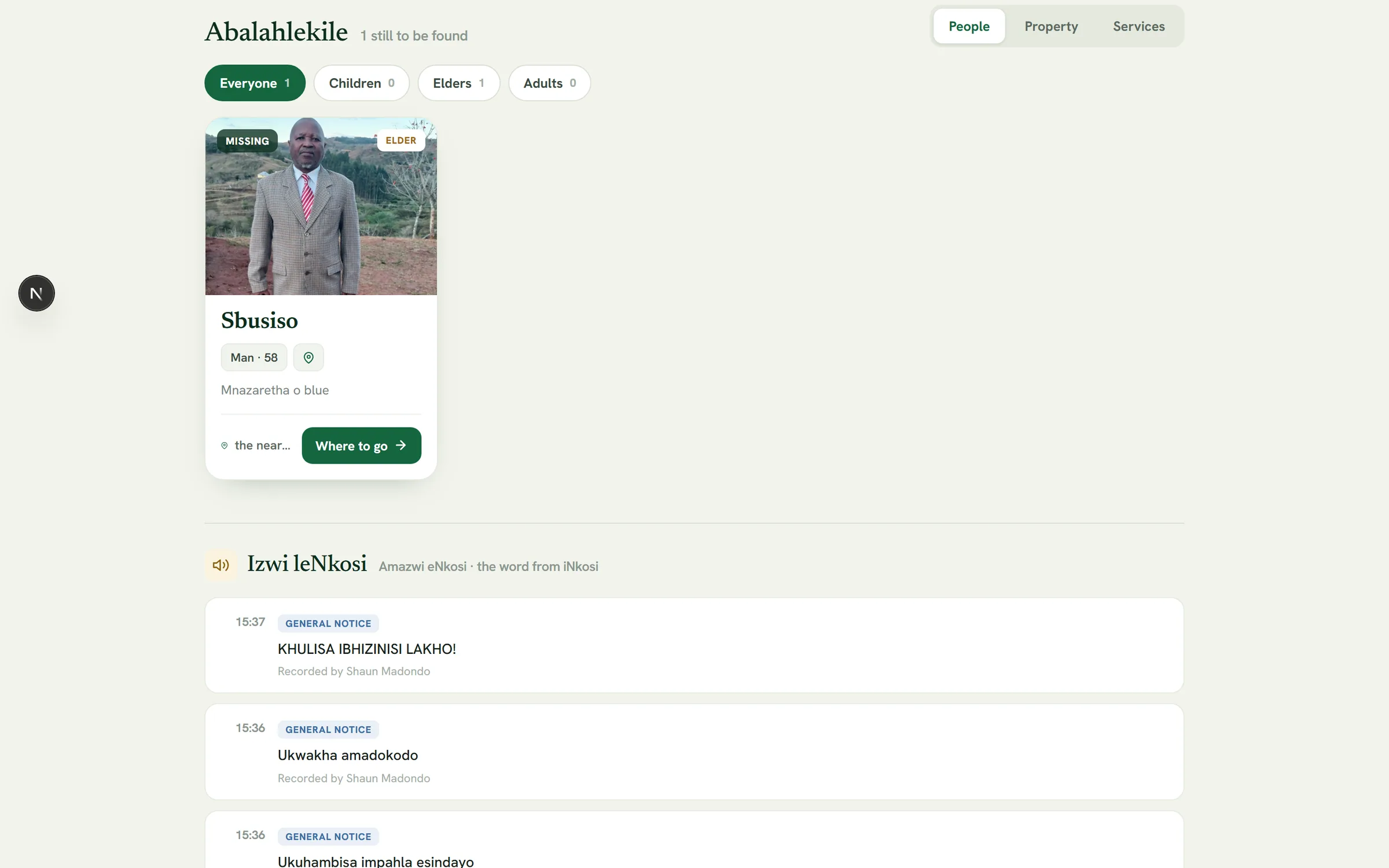
A missing-persons and lost-property platform for gatherings of tens of thousands, built for the annual pilgrimage at Ebuhleni.
At that scale the bottleneck isn't the database. It's that a worried person and the person looking for them are standing three hundred metres apart with no shared channel, and the only infrastructure between them is a steward with a phone and patchy signal.
So the design starts from the steward, not the app. A steward console used standing up at physical Help Points, offline-tolerant because signal at the site is not reliable; a Flutter field app for stewards moving around the grounds; and a public page where anyone can browse open cases and submit a report without an account.
Found adults and found children are handled differently, always.
- Stewards at physical Help Points, not an app the public has to install
- Writes queue on the device and replay when the signal returns
- Pre-registered QR wristbands so a found child arrives already identified
Selected work
Each one is a system a business uses, shown as it is.
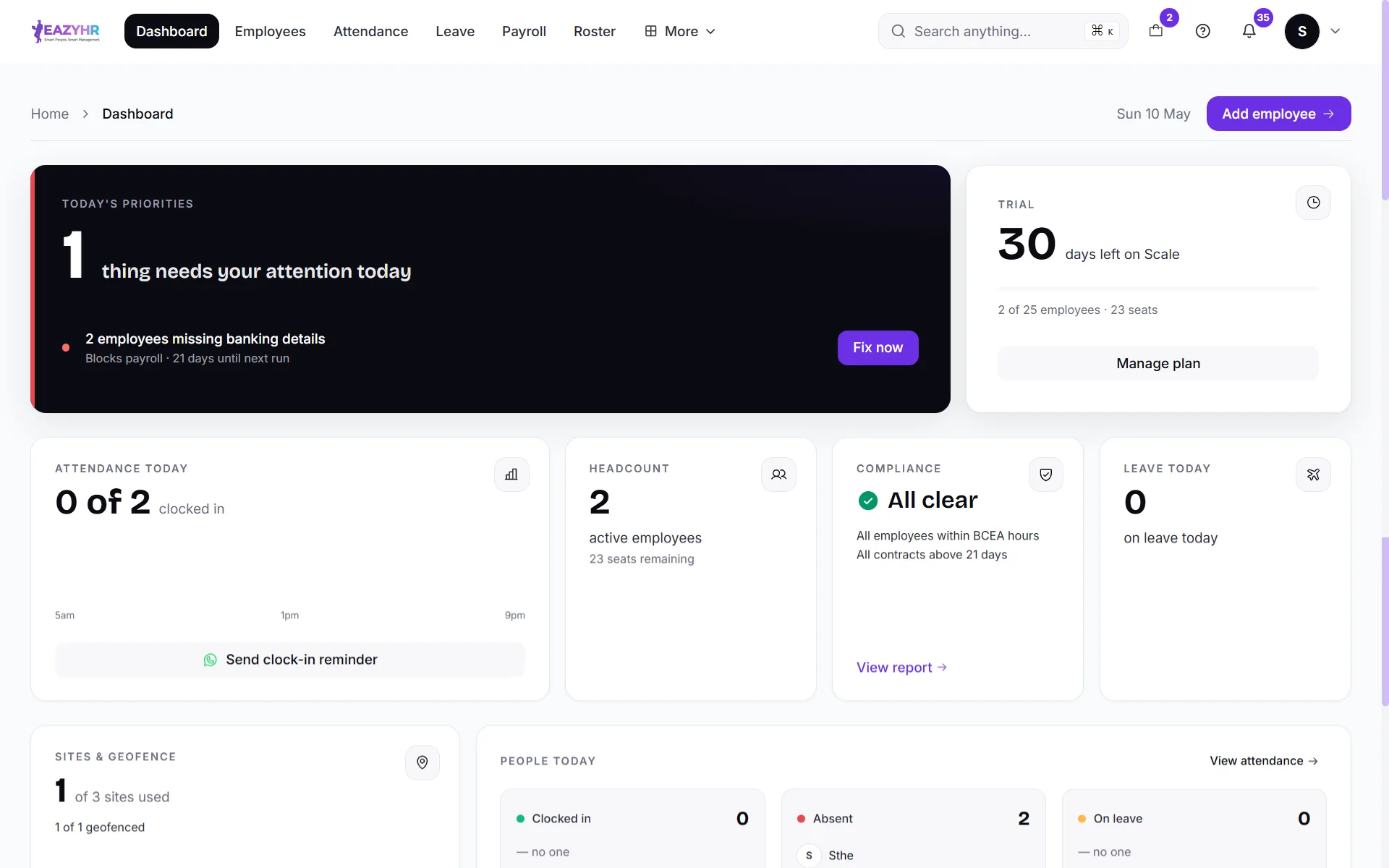 01EazyHR2024–25
HR & payroll
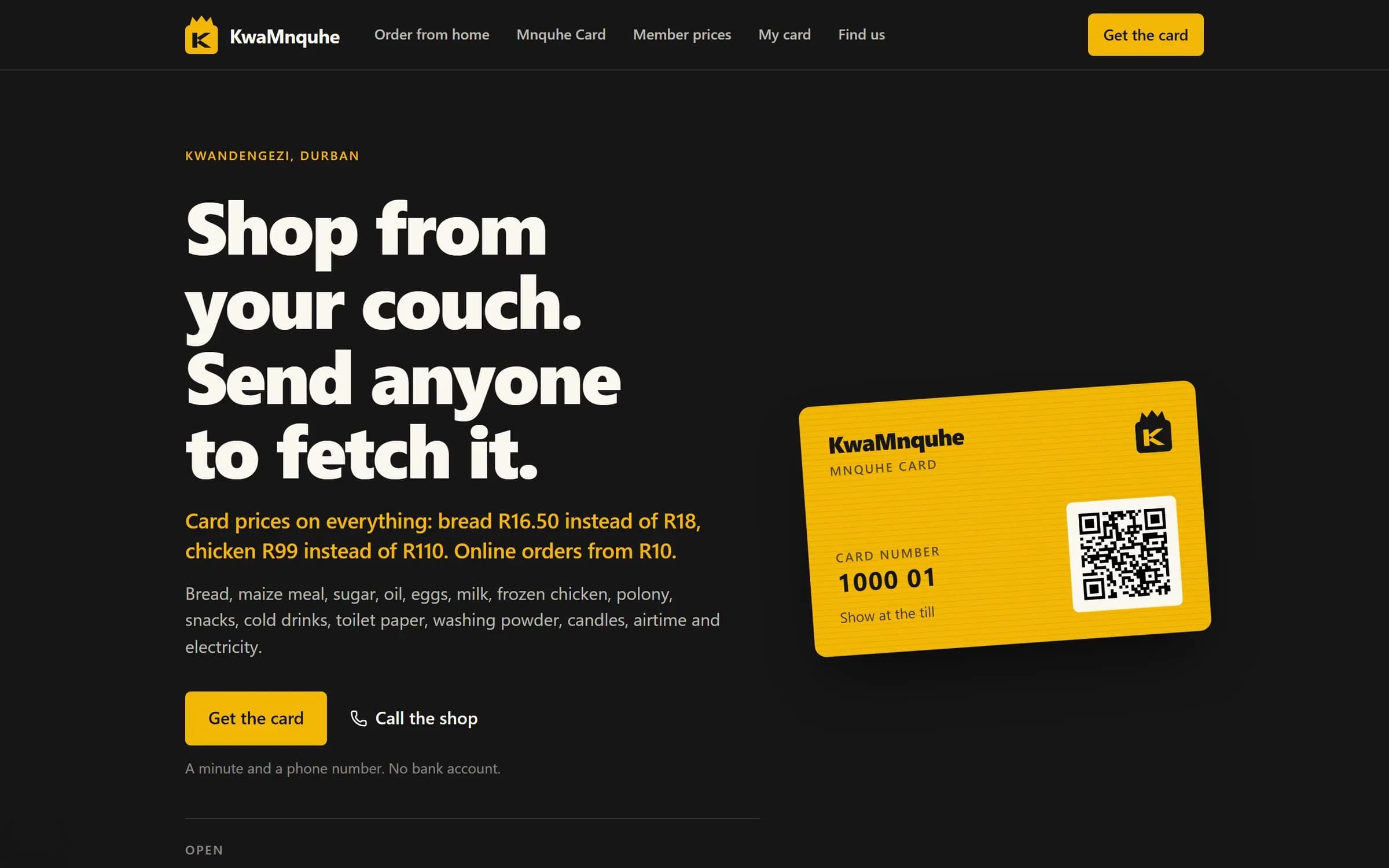 03KwaMnquhe2026
Retail & POS

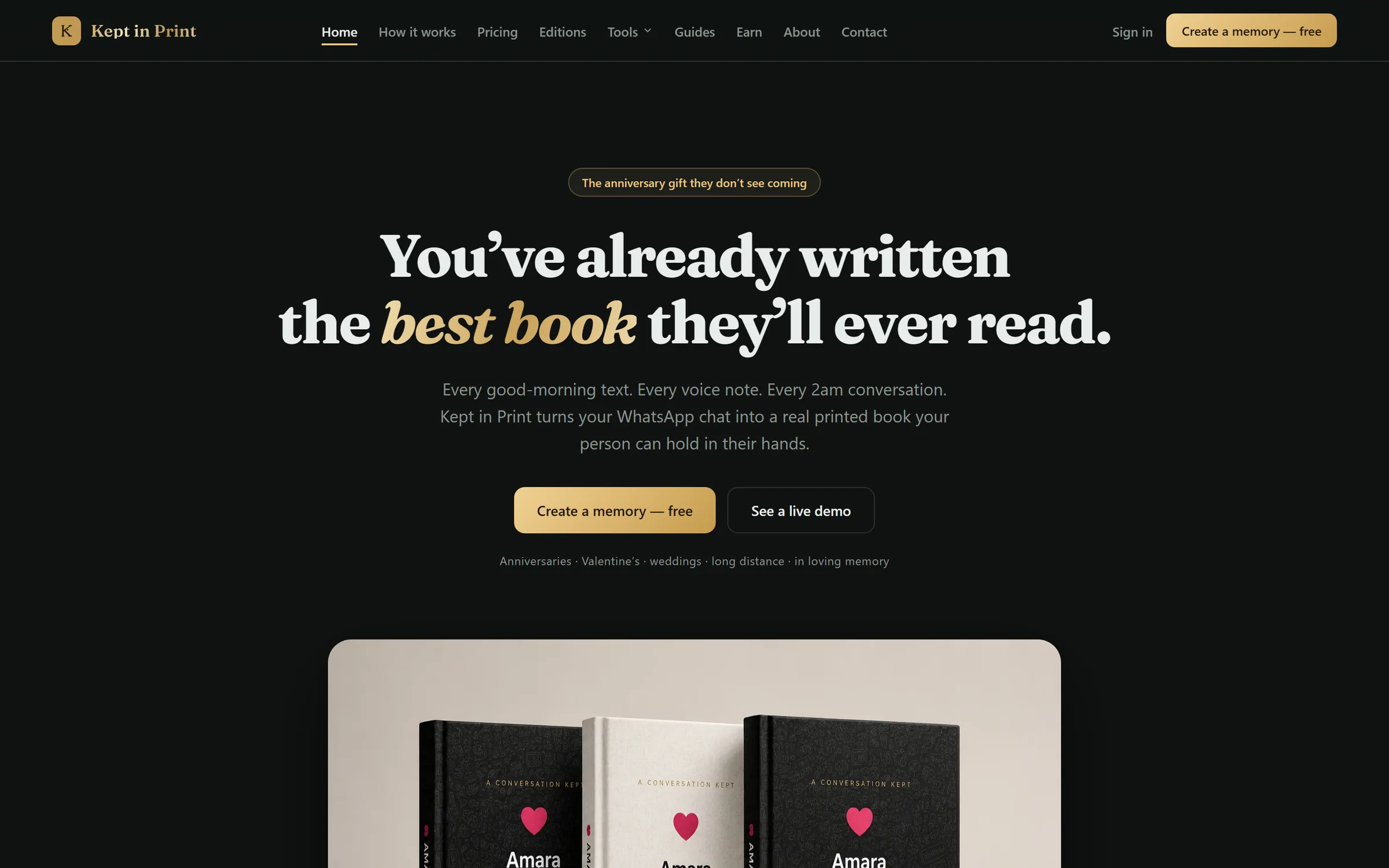 04Kept in Print2025–26
Print product
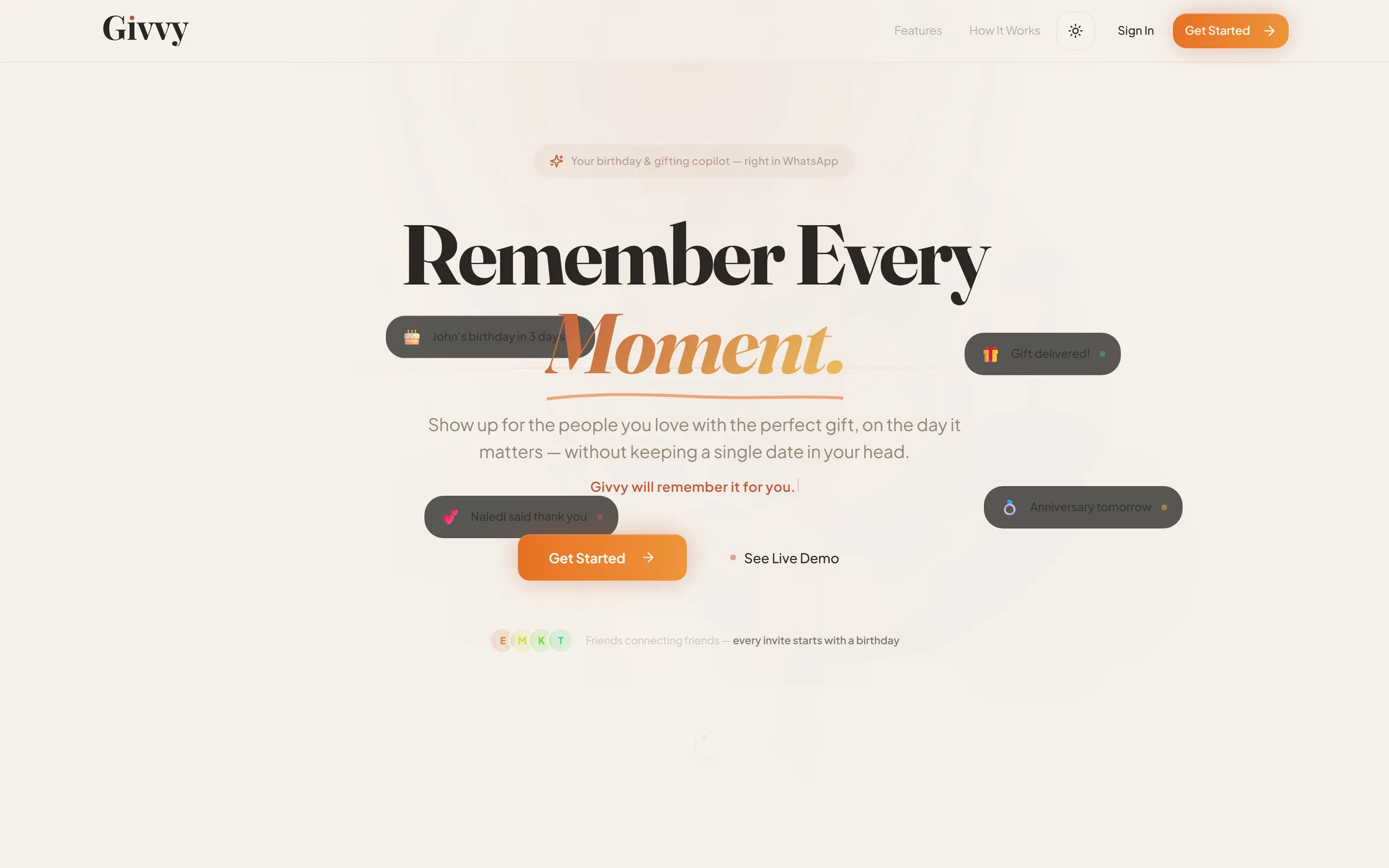
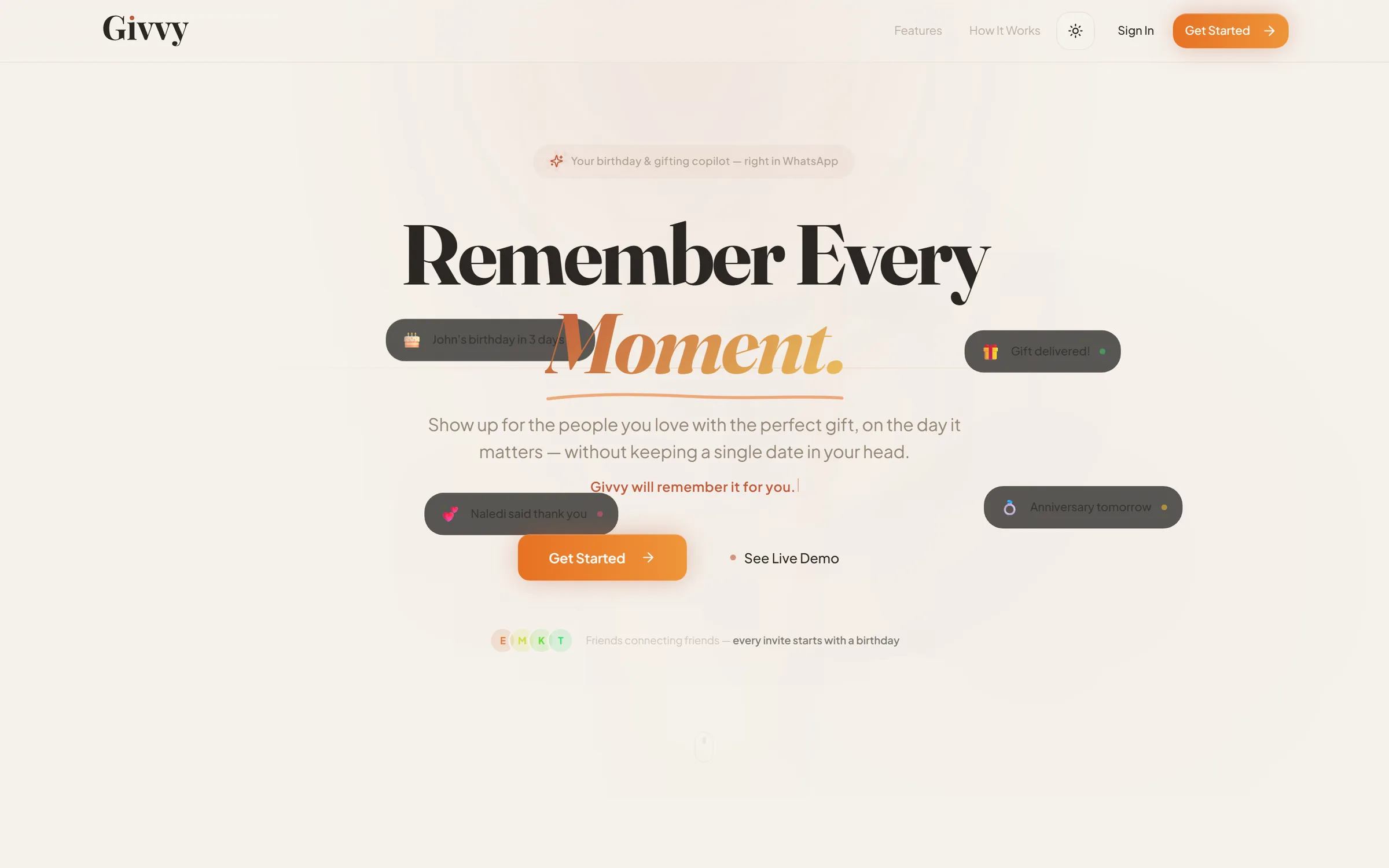 05BeGivvy2024–26
Social gifting
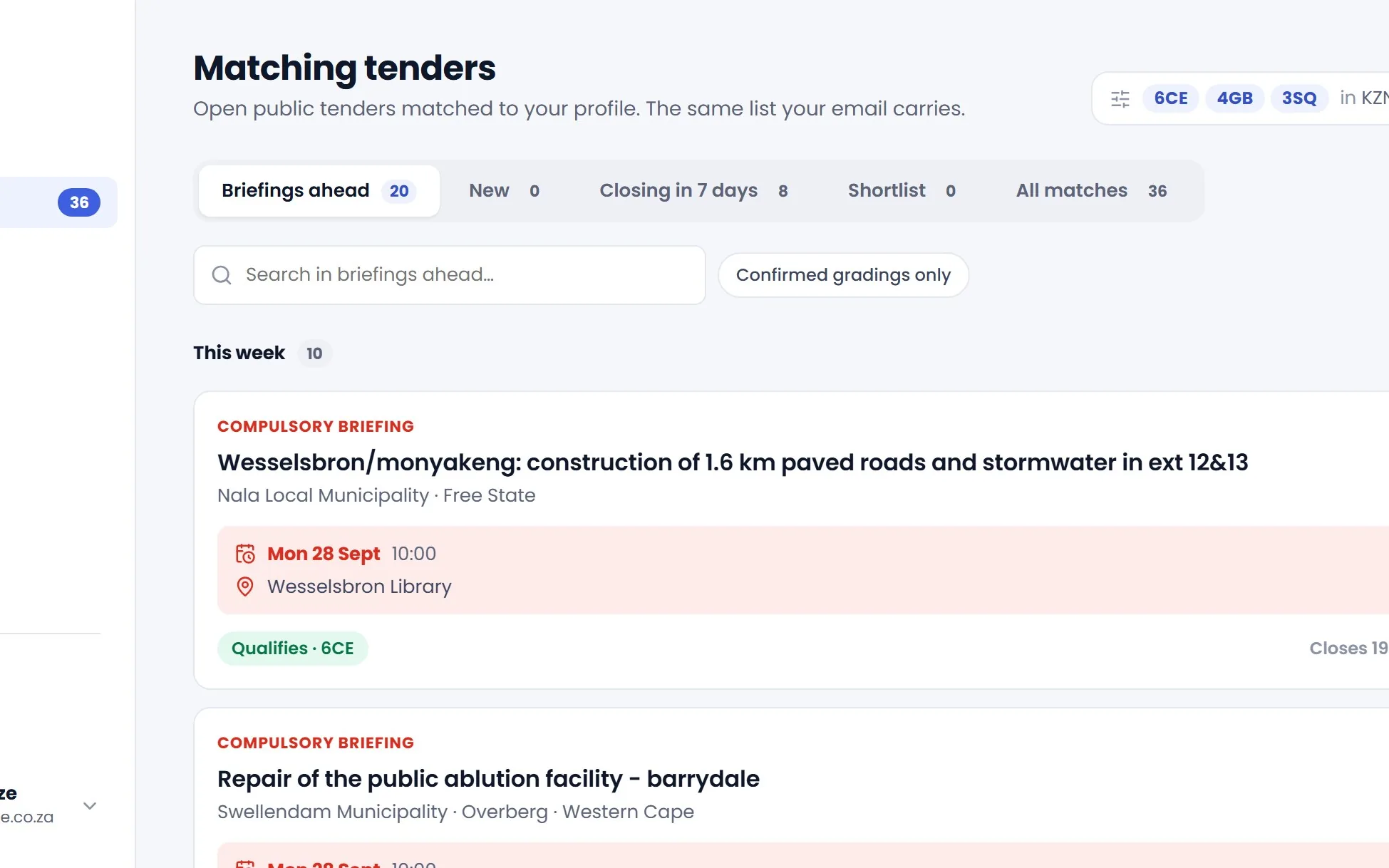 06SmartQS Tender Alerts2026
Tender alerts
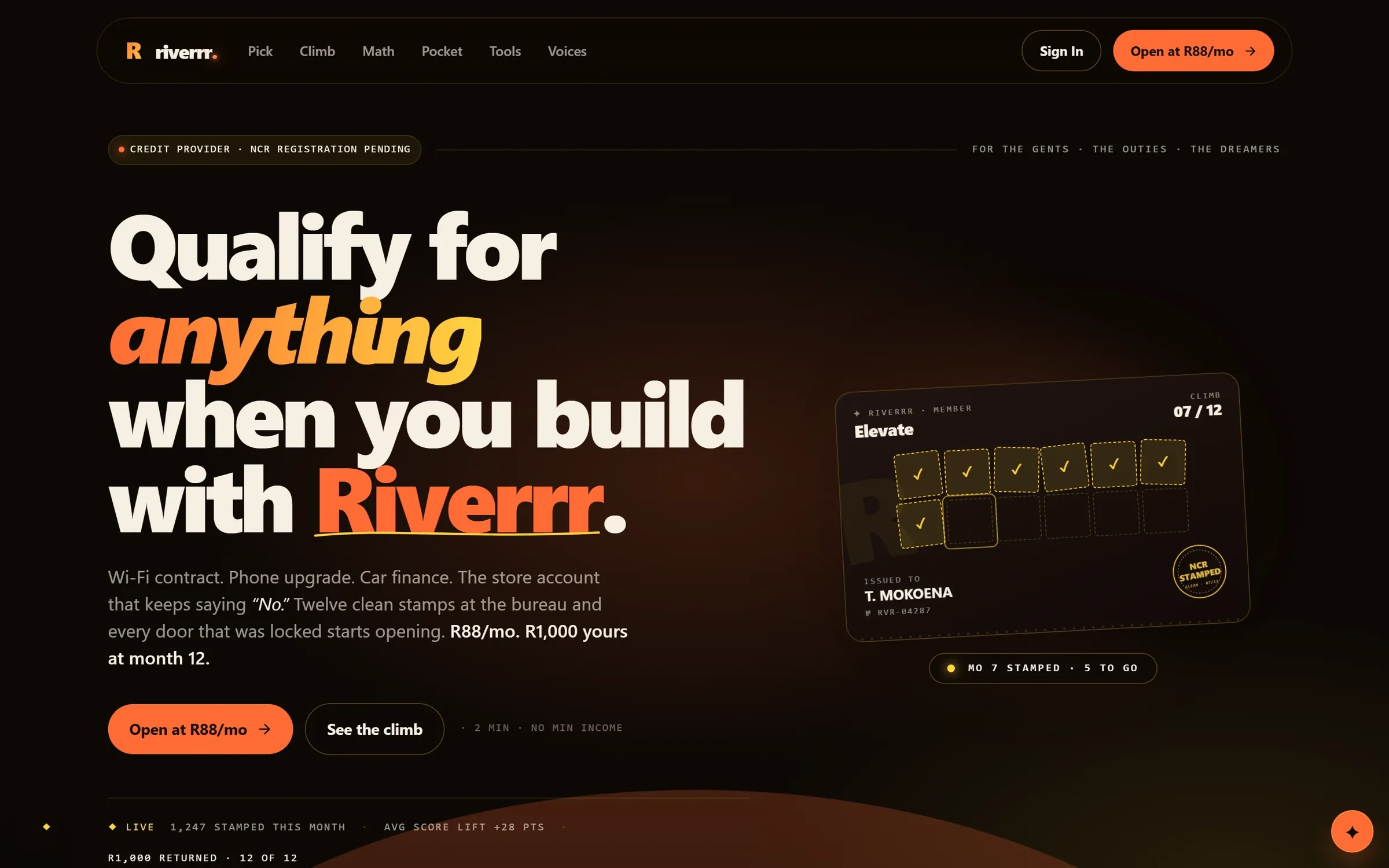 07Riverrr2025
Fintech
How a project runs
Four steps, and you can see the work at every one of them.
- 01
Discovery call
30 minutes
You describe the problem in your own words. We ask what it costs you today and what the system has to do on day one. If we are not the right fit, we say so on the call.
- 02
Scope and proposal
Within 5 business days
A written scope: what gets built, what does not, what it costs, how long. The rules the product has to enforce are in it, because those are what take the time.
- 03
Build, in the open
Weeks, not quarters
A staging link from the first week. You use the real thing as it grows, and what you see on Friday is what shipped that week.
- 04
Go-live and the first month
Included
We stay on through the first month of real use. The limits of what you have are written down, plainly, so nobody discovers them later.

The studio
Built in Durban, by hand.
Konvrg is a team of six in Durban, founded by Shaun Madondo after ten years of building software for other people’s businesses. Every system on this page was designed and built here, and every one of them was built to be relied on rather than demonstrated.
We take on a small number of engagements at a time. The work is written up plainly, limits included, so a client always knows what they have.
Writing
All writingWhy We Don't Use Templates
Every template is a set of assumptions someone else made about your business. Here's why we throw them out and start from zero every single time.
28 March 2026, 6 MIN READ
WhatsApp as Infrastructure: Building for How Africa Actually Works
Your users aren't downloading apps. They're not checking email. They're on WhatsApp — and if your product isn't there, it doesn't exist.
21 March 2026, 8 MIN READ
The Payroll Problem Nobody Talks About
Payroll isn't hard because the math is hard. It's hard because compliance changes every quarter and one mistake destroys trust.
14 March 2026, 10 MIN READ
Tell us what you need to run on.
A thirty-minute call, then a written scope within five business days. No obligation either way.
- Call
- 30 minutes
- Scope
- 5 business days
- Build
- Weeks, in the open